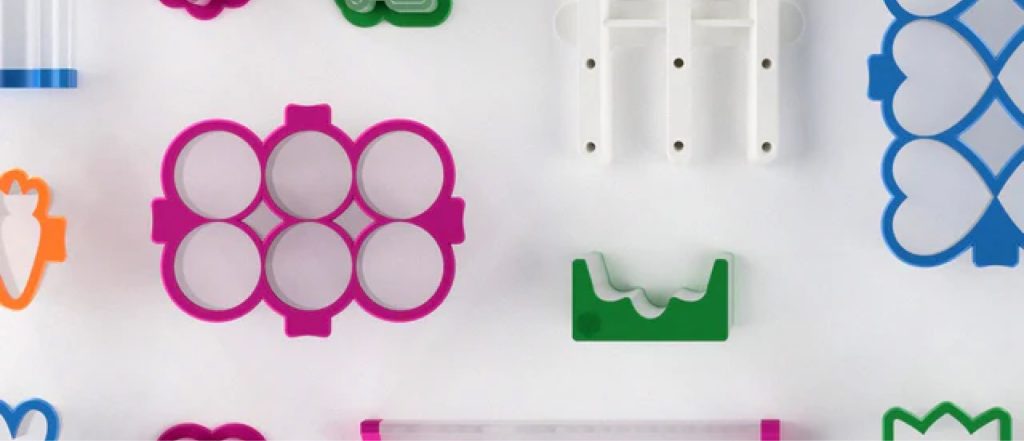

A massive case study on the exploration of a cake popper.
3D printing technology has revolutionized the way we create and prototype, offering a diverse range of materials suited for different needs. Among these materials, PLA (Polylactic Acid) and PETG+ (Polyethylene Terephthalate Glycol-Plus) are two popular choices, each with its own set of advantages and applications. Transitioning from PLA to PETG+ can enhance your prints’ durability, flexibility, and overall performance. However, making this switch involves understanding material differences, adjusting print settings, and optimizing your techniques. This article provides essential insights and practical tips to help you navigate this transition smoothly.
Understanding the Differences: PLA vs. PETG+
Before diving into the practical aspects of transitioning between these materials, it’s crucial to understand their fundamental differences.
PLA (Polylactic Acid):
- Material Properties: PLA is a biodegradable plastic derived from renewable resources like corn starch or sugarcane. It is known for its ease of use, excellent surface finish, and minimal warping. PLA typically prints at lower temperatures (180°C to 220°C) and adheres well to a variety of surfaces.
- Applications: PLA is ideal for prototypes, decorative items, and models where strength and durability are less critical. Its low temperature resistance makes it unsuitable for high-temperature applications.
PETG+ (Polyethylene Terephthalate Glycol-Plus):
- Material Properties: PETG+ is an enhanced version of PETG, offering improved strength, flexibility, and impact resistance. PETG+ prints at higher temperatures (230°C to 250°C) and has better layer adhesion and durability compared to PLA. It also has lower warping and can be less prone to brittleness.
- Applications: PETG+ is suitable for functional parts, mechanical components, and objects requiring higher impact resistance and temperature stability. Its toughness makes it a good choice for parts that will undergo stress or heavy use.